
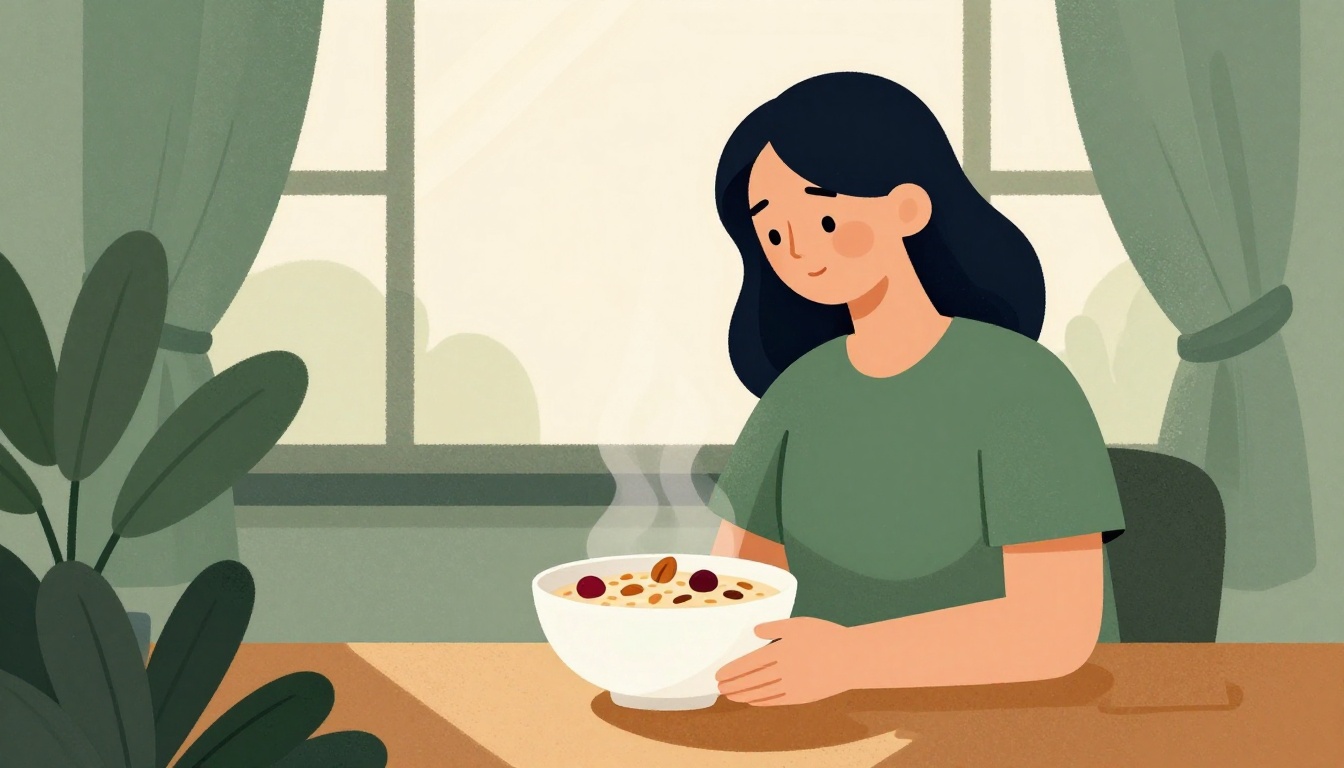
You're waking every two to three hours, your body is making milk around the clock, and the exhaustion feels deeper than any tiredness you've known before. That bone-tired feeling isn't just from broken sleep — it's also a signal that your body is running low on the specific nutrients it needs to keep up with breastfeeding demands.
Breastfeeding burns significant extra energy every day, and your requirements for iron, protein, B vitamins, zinc, and iodine all increase during lactation. When those needs aren't met, fatigue compounds. The good news is that the right foods can make a real difference — not by giving you a quick jolt, but by steadily replenishing what your body is spending.
How many additional kilocalories per day does the CDC recommend for breastfeeding mothers?
Select one answer.
Why Breastfeeding Drains Your Energy Reserves
Your body is producing milk that delivers everything your baby needs, and that work requires fuel. The CDC recommends an additional 330 to 400 kilocalories per day for breastfeeding mothers. If you're exclusively nursing, your energy expenditure is even higher.
Beyond calories, your body prioritizes sending nutrients into your breast milk. If your own stores are low, you feel the deficit first. Iron depletion is especially common after childbirth and can cause fatigue, brain fog, and dizziness that no amount of sleep fixes. Postpartum iron deficiency affects a significant number of new mothers and is frequently overlooked because standard lab results may appear normal even when iron reserves are critically low.
The Energy-Boosting Foods That Actually Work
Skip the sugary snacks that spike your blood sugar and crash it an hour later. These are the foods that provide sustained energy for breastfeeding mothers.
Oats and whole grains. Oatmeal, brown rice, quinoa, and whole-grain bread deliver complex carbohydrates that release energy slowly. Oats are also rich in iron and fiber, which helps keep your digestion regular — a common postpartum struggle.
Iron-rich proteins. Lean beef, lamb, eggs, and dark poultry provide heme iron, the form your body absorbs most easily. Pair them with vitamin C sources like bell peppers or citrus to boost absorption even further. Mayo Clinic notes that lentils, beans, and leafy greens are excellent plant-based iron sources for vegetarian mothers.
Fatty fish for omega-3s. Salmon and sardines are packed with DHA, a type of fat critical for your baby's nervous system development and linked to lower rates of postpartum mood challenges. They also provide natural vitamin D, which many new mothers are deficient in.
Eggs for choline. Eggs are one of the best sources of choline, a nutrient your body needs in higher amounts during breastfeeding. The Dietary Guidelines for Americans recommend 550 mg of choline daily for breastfeeding women. Two eggs provide roughly half that amount.
Leafy greens and colorful vegetables. Spinach, kale, broccoli, and sweet potatoes deliver calcium, vitamin A, and antioxidants. Sweet potatoes are especially valuable — one medium sweet potato provides the full daily recommendation of vitamin A for a breastfeeding mother.
Nuts, seeds, and healthy fats. Almonds, walnuts, chia seeds, and avocado provide steady energy and healthy fats that support hormone balance and milk production.
A Simple Daily Eating Checklist
You don't need a complicated meal plan. Aim to hit these targets each day:
- Protein at every meal — eggs at breakfast, chicken or beans at lunch, fish or beef at dinner
- Whole grains at two meals — oatmeal, quinoa, brown rice, or whole-grain toast
- At least five servings of vegetables and fruit — include dark leafy greens and colorful options
- Three servings of dairy or fortified alternatives — yogurt, milk, cheese, or fortified plant milks
- Healthy fats daily — avocado, nuts, seeds, olive oil, or fatty fish
- Plenty of water — aim for around 10 cups of fluids daily to support milk production
What to Limit
Caffeine passes into breast milk in small amounts. The CDC advises keeping intake under 300 mg per day — about two to three cups of coffee. Higher amounts can make your baby fussy or disrupt their sleep, which only adds to your exhaustion.
Highly processed foods and sugary snacks may feel convenient, but they lead to energy crashes that make fatigue worse. If you need something quick, reach for a handful of almonds, a hard-boiled egg, or a piece of fruit with nut butter instead.
Quiz: Test Your Knowledge
Let's see how well you know the nutrition basics for breastfeeding energy.
How many additional kilocalories per day does the CDC recommend for breastfeeding mothers?
- 330 to 400
- 100 to 200
- 800 to 1,000
How the Resident Expert Can Help
You don't have to figure this out alone. Rooted Postpartum Care, led by psychiatric nurse practitioner Natalie Marchione, offers virtual holistic support for new mothers across Maryland, Washington DC, and Wyoming. The practice specializes in postpartum mental health and nutrition-focused care — helping you address the root causes of exhaustion, anxiety, and burnout rather than just managing symptoms. Whether you need guidance on nutrition, support for postpartum depression, or a comprehensive care plan that treats you as a whole person, Natalie and her team provide individualized care from the comfort of your home.