
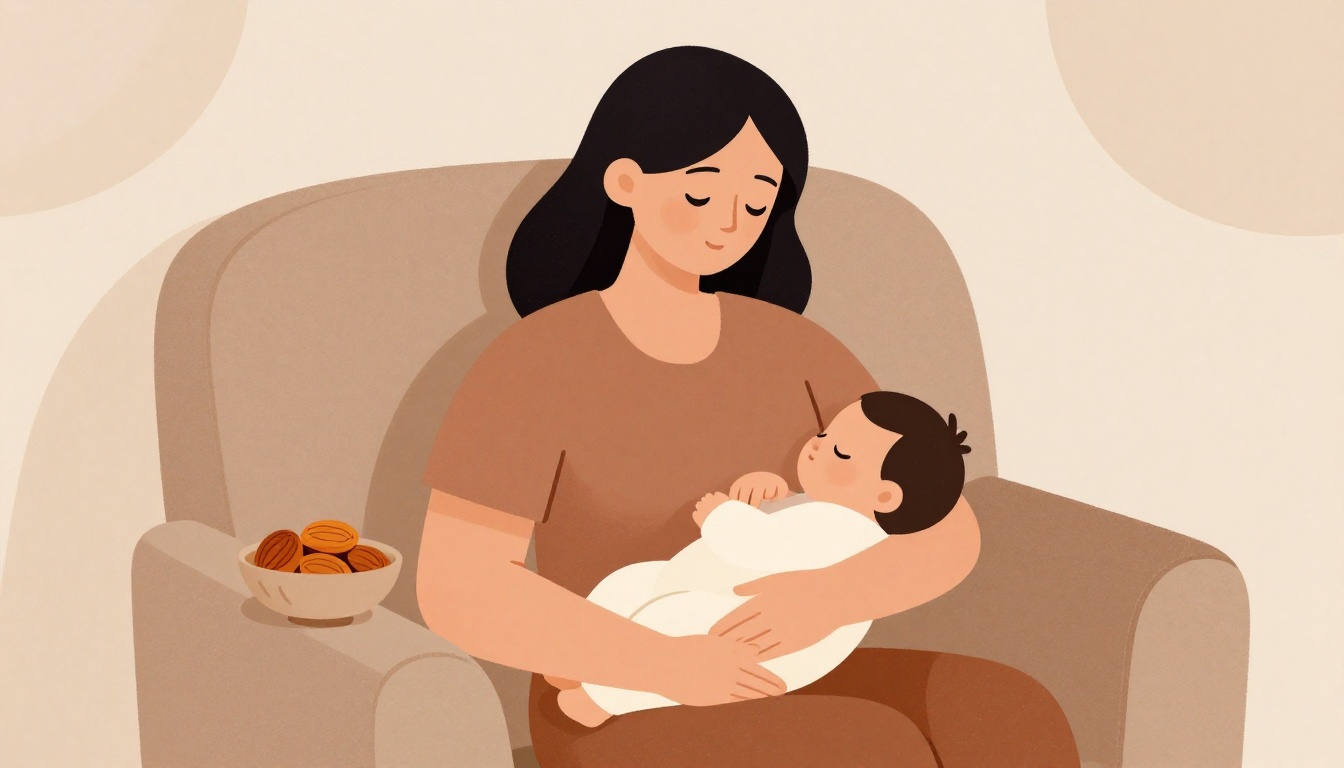
What percentage of postpartum women are estimated to experience iron deficiency?
Select one answer.
Why iron matters for postpartum energy
After childbirth, your body needs extra iron to replenish blood lost during delivery and support healing. Low iron levels can leave you feeling unusually weak, foggy, or breathless — symptoms that go beyond normal sleep deprivation. An estimated 25% to 50% of postpartum women experience iron deficiency, yet it often goes undiagnosed because fatigue is dismissed as "just part of being a new mom" (Mahmee).
Iron is essential for making hemoglobin, the protein in red blood cells that carries oxygen to your organs and tissues. When your stores are low, your entire system struggles to function, making it harder to care for yourself and your baby.
Heme vs. non-heme iron: what to know
There are two types of dietary iron:
- Heme iron comes from animal sources (red meat, poultry, fish) and is more easily absorbed by your body.
- Non-heme iron comes from plant sources (spinach, lentils, beans, fortified cereals) and is absorbed less efficiently.
To maximize absorption of non-heme iron, pair it with a source of vitamin C — such as citrus fruit, bell peppers, or strawberries (Xenana Spa).
7 quick, no-cook iron-rich snacks
These snacks require minimal prep and can be eaten one-handed while nursing or soothing your baby.
1. Dried apricots or figs
Dried fruit is a concentrated source of non-heme iron. A half-cup of dried apricots provides about 2 mg of iron. Pair with a handful of almonds for protein and healthy fat.
2. Spinach and berry smoothie
Blend a handful of fresh spinach with frozen berries (blueberries, blackberries, or cherries), a banana, and Greek yogurt. Berries and spinach both provide non-heme iron, and the vitamin C in the berries boosts absorption.
3. Hard-boiled eggs
Eggs are a convenient source of heme iron and high-quality protein. Keep a batch in the fridge for a quick grab-and-go snack.
4. Hummus with veggie sticks
Chickpeas are rich in non-heme iron (about 2 mg per half-cup). Pair hummus with bell pepper strips or carrot sticks — the vitamin C in the veggies helps your body absorb the iron.
5. Beef or turkey jerky
Jerky is a shelf-stable, portable source of heme iron. Look for brands with minimal added sugar and sodium.
6. Trail mix with iron-rich add-ins
Combine nuts, seeds, dried cherries or raisins, and dark chocolate chips. Pumpkin seeds and dried fruit boost the iron content, while nuts provide protein and healthy fats.
7. Iron-fortified cereal with milk
Choose a cereal fortified with iron (check the label for at least 50% of the daily value) and top with sliced strawberries or orange segments for vitamin C.
How to build a simple snacking routine
- Prep ahead: Wash and chop veggies, boil eggs, and portion trail mix into small containers when you have a few minutes.
- Set up snack stations: Keep a basket of non-perishable snacks (jerky, dried fruit, nut butter packets) near your nursing spot.
- Eat every 2–3 hours: Small, frequent snacks help stabilize energy and prevent extreme hunger.
- Pair iron with vitamin C: Add a squeeze of lemon to spinach, or eat an orange alongside your fortified cereal.
When to talk to a professional
If you experience persistent fatigue, pale skin, dizziness, or shortness of breath, talk to your healthcare provider. A simple blood test can check your iron levels, and they can recommend supplements if needed. Iron-rich snacks are a helpful part of recovery, but they may not be enough if you have significant deficiency.
How the Featured Expert Can Help
If you're struggling with low energy, anxiety, or burnout during the postpartum period, Natalie Marchione at Rooted Postpartum Care offers virtual holistic mental health and nutrition-focused support for new mothers in Maryland, Washington DC, and Wyoming. Her individualized care plans address the whole person — including nutrition, sleep, and emotional well-being — so you can recover with confidence.