
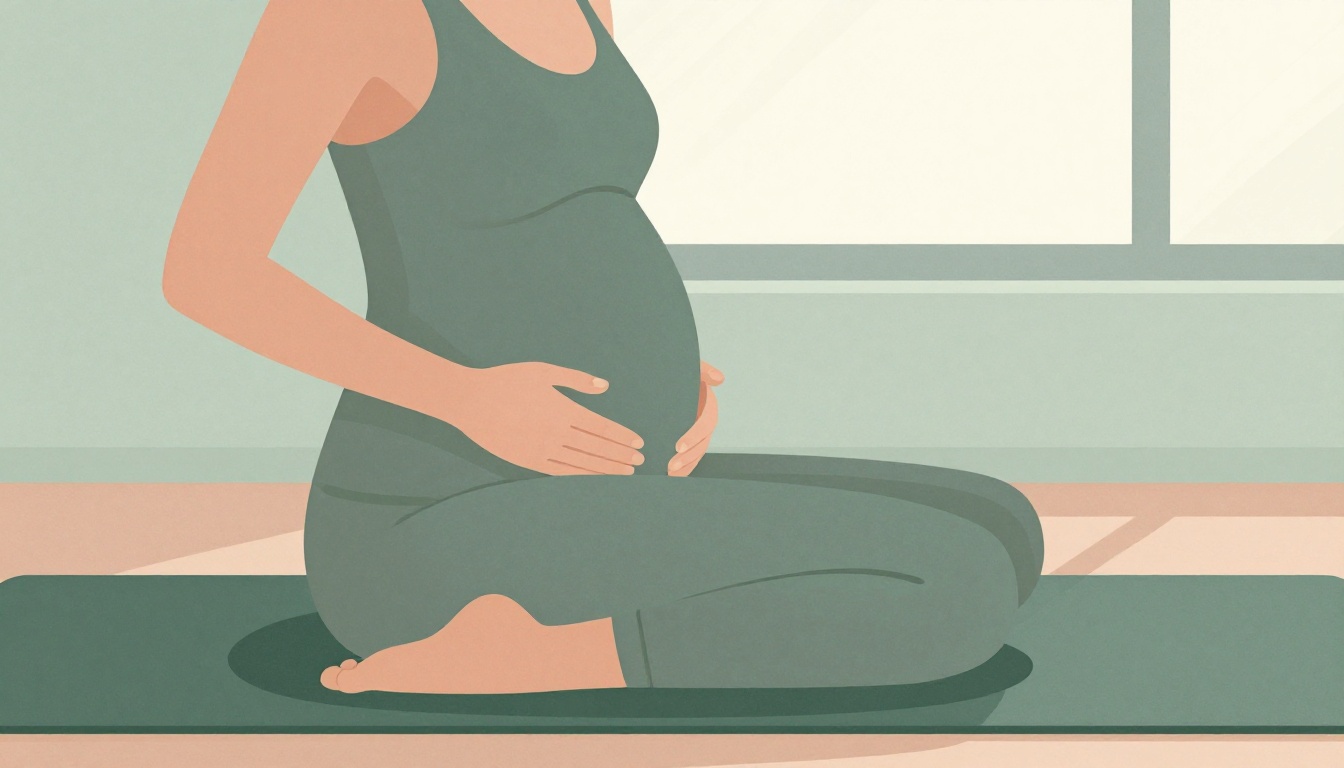
You just had a baby. Your body has been through a marathon. Now you want to move again, but you are not sure when it is safe to start or what you should actually do.
Every new mother hears conflicting advice: "Take it easy" versus "Bounce back." The truth is that returning to exercise after birth is a gradual process that depends on your delivery type, your recovery, and how you feel. Rushing it can lead to injury or setbacks. Waiting too long can delay your physical and mental recovery.
This week-by-week guide gives you a clear, safe roadmap for the first twelve weeks postpartum. Use it as a starting point, and always check with your healthcare provider before beginning any new routine.
According to the CDC, how many minutes of moderate-intensity aerobic activity should postpartum women aim for each week?
Select one answer.
Week 1: Breathe and rest
Your only job this week is to rest and reconnect with your body. Focus on deep diaphragmatic breathing. Lie on your back, place your hands on your belly, and inhale slowly through your nose, feeling your belly rise. Exhale fully. Do this for five minutes, several times a day.
Gentle walking around your home is fine. Do not push yourself. Your body is healing internally, even if you feel okay on the outside.
Week 2: Reconnect with your pelvic floor
If you had a vaginal delivery, you can begin gentle pelvic floor exercises (Kegels). Squeeze and lift as if you are stopping the flow of urine, hold for three to five seconds, then fully relax. Do ten repetitions, twice a day.
If you had a C-section, avoid any core work until your incision heals. Focus on breathing and very short, slow walks.
Week 3: Restore full body mobility
Add gentle mobility work. Shoulder rolls, neck stretches, ankle circles, and cat-cow stretches on hands and knees are safe. Keep all movements slow and pain-free.
You can walk for ten to fifteen minutes at a comfortable pace. Listen to your body. If you feel any pain, bleeding, or discomfort, stop and rest.
Week 4: Reconnect with your deep core
Begin gentle core activation. Lie on your back with knees bent. Inhale, then exhale as you gently draw your belly button toward your spine. Hold for a few seconds, then release. Do not do crunches or sit-ups yet.
Continue walking. Aim for twenty minutes if it feels good.
Weeks 5-6: Build a foundation
By now, your postpartum bleeding should have stopped or become very light. You can add gentle glute bridges, clamshells, and bird-dog exercises. Keep your core engaged and your movements controlled.
Walking can increase to thirty minutes. The American College of Obstetricians and Gynecologists recommends that most healthy women can gradually resume normal physical activity around six weeks after a vaginal delivery and eight weeks after a C-section.
Weeks 7-8: Increase intensity slowly
If you have been cleared by your provider, you can add low-impact cardio like stationary cycling, swimming, or using an elliptical machine. Start with twenty minutes and see how you feel.
Continue strength work with bodyweight squats, lunges, and modified planks. Avoid jumping, running, or heavy lifting.
Weeks 9-12: Return to full activity
By now, you can gradually return to your pre-pregnancy exercise routine. The CDC recommends at least 150 minutes of moderate-intensity aerobic activity per week for postpartum women. That breaks down to thirty minutes, five days a week.
Add resistance training two days per week. Focus on compound movements like squats, deadlifts, and push-ups, but start with lighter weights than you used before pregnancy.
Pay attention to your pelvic floor. If you feel heaviness, pressure, or leaking during exercise, scale back and consult a pelvic floor physical therapist.
Signs you are doing too much
Stop exercising and rest if you experience any of these:
- Increased bleeding or bright red blood
- Pain in your pelvis, lower back, or abdomen
- Dizziness or shortness of breath
- Leaking urine or feeling like something is falling out
- Extreme fatigue that lasts more than an hour after exercise
How the Resident Expert Can Help
Returning to exercise is only one piece of your postpartum recovery. Your mental health matters just as much. Natalie Marchione, a psychiatric nurse practitioner at Rooted Postpartum Care, provides holistic virtual care for new mothers in Maryland, Washington DC, and Wyoming. She treats postpartum anxiety, depression, and burnout by addressing your emotional well-being, nutrition, sleep, and stress levels together. If you feel overwhelmed or unsure about your recovery, you do not have to navigate it alone. Reach out for personalized support that treats you as a whole person.
Quiz: Test your knowledge
Before you start your postpartum exercise journey, check your understanding with this quick quiz.
Question: According to the CDC, how many minutes of moderate-intensity aerobic activity should postpartum women aim for each week?