
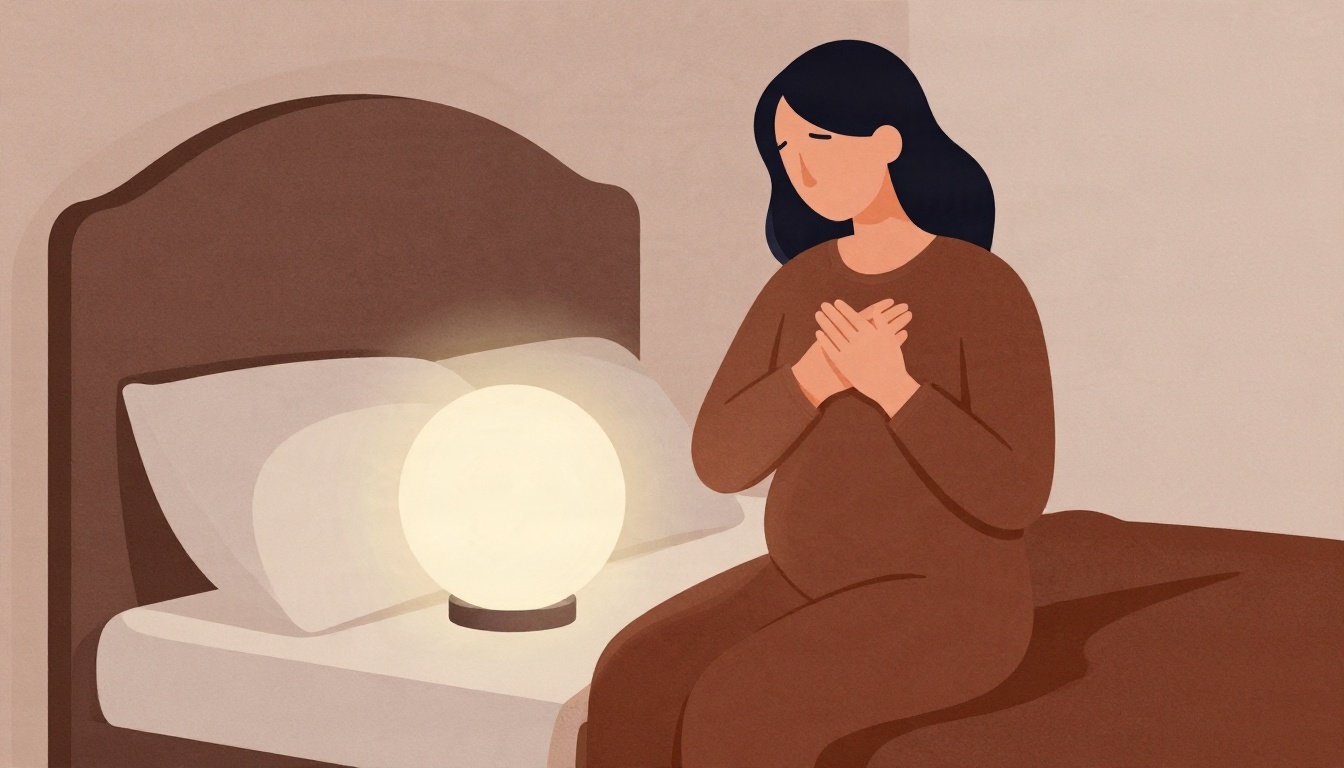
Feeling wiped out after giving birth is expected. What's harder is knowing when that exhaustion crosses from the normal cost of newborn care into something that needs medical attention. The line isn't always obvious, because ordinary sleep deprivation and treatable conditions like anemia, thyroid problems, and postpartum depression can all look like "just being tired."
This guide gives you concrete ways to tell the difference, plus a checklist you can bring to your provider.
According to MedlinePlus, when should you contact your health care provider about fatigue?
Select one answer.
Normal tiredness vs. fatigue that needs a closer look
Fatigue is more than feeling sleepy. It's a state of extreme tiredness that makes it hard to get up, get through your day, or do your usual activities — and you may not feel refreshed after rest or sleep (Cleveland Clinic). That distinction matters postpartum: waking up tired after a broken night is normal, but exhaustion that doesn't lift even when you do get a stretch of sleep is a signal worth investigating.
MedlinePlus puts a practical timeline on it: if you've been feeling tired for weeks, contact your health care provider, who can help find the cause and recommend ways to relieve it (MedlinePlus).
Red flags that mean call your provider
Some symptoms should prompt a call regardless of how recently you gave birth. According to Mayo Clinic guidance on fatigue, get emergency help if you have fatigue along with chest pain, shortness of breath, an irregular or fast heartbeat, or a feeling that you might pass out.
Beyond emergencies, watch for these patterns:
- Fatigue that doesn't improve after several weeks, even with better sleep or nutrition.
- Exhaustion that doesn't ease with rest — the kind that limits ordinary daily activities.
- Fatigue paired with low mood, loss of interest, or anxiety that lasts more than two weeks.
- Breathlessness, palpitations, or feeling faint alongside tiredness.
- Unexplained weight changes, feeling unusually cold, or brain fog that doesn't match your sleep.
Three treatable causes that get mistaken for normal exhaustion
Iron deficiency and anemia
Pregnancy and delivery draw heavily on iron stores, and many mothers enter the postpartum period depleted. Research has linked postpartum iron deficiency and anemia with higher rates of depressive symptoms, anxiety, and fatigue, and iron deficiency can be checked with a ferritin level (Premier Hematology). If you're exhausted and also feeling low or anxious, asking for iron labs alongside a mood screening is reasonable.
Thyroid changes
Postpartum thyroiditis affects roughly 1 in 20 women in the year after birth and can look almost exactly like postpartum depression, anxiety, or ordinary newborn exhaustion (PostpartumDepression.org). The Office on Women's Health notes that low levels of thyroid hormones can cause symptoms of depression, and a simple blood test can tell whether this is the cause (womenshealth.gov).
Postpartum depression and anxiety
Overwhelming fatigue is a recognized symptom of postpartum depression, along with excessive crying, severe mood swings, anxiety, and reduced interest in activities (Texas A&M Stories). If your fatigue comes with persistent sadness, worry, or feeling unlike yourself, that's a reason to seek care — not a personal failing.
A practical checklist to bring to your appointment
Before your visit, write down:
- How long the fatigue has lasted and whether it's getting better or worse.
- Whether rest helps — do you feel restored after a nap or a longer sleep stretch?
- What else you're noticing — mood, anxiety, concentration, weight, temperature sensitivity, hair changes.
- Your sleep reality — how many hours, how broken, and whether you can sleep when the baby sleeps.
- Bleeding history at delivery and any prior anemia or thyroid issues.
- Medications and supplements you're taking.
Then ask directly: "Can we check my iron and thyroid, and screen me for postpartum depression and anxiety?" These are simple, standard tests, and they belong alongside each other rather than instead of each other.
What you can do while you wait
- Protect one uninterrupted sleep block. Ask a partner or family member to cover a feed or a morning so you get a stretch of consolidated sleep.
- Eat for energy, not perfection. Regular protein and iron-containing foods, plus adequate hydration, support recovery.
- Move gently. Light activity can help reduce fatigue for many people, but don't use it to push through warning signs.
- Track, don't diagnose. Note patterns in a phone note; your provider needs the timeline more than you need to solve it alone.
When to seek help sooner rather than later
Don't wait for your six-week visit if fatigue is severe, worsening, or paired with mood changes, breathlessness, or palpitations. Fatigue is a symptom, not a diagnosis, and the causes behind it are often treatable. Getting checked isn't overreacting — it's the fastest route back to feeling like yourself.
How the Featured Expert Can Help
Rooted Postpartum Care offers holistic mental health and nutrition-focused care for new mothers across Maryland, Washington DC, and Wyoming. The practice, led by psychiatric nurse practitioner Natalie Marchione, provides virtual, individualized support for postpartum anxiety, depression, and burnout. If fatigue and mood changes are tangled together for you, you can learn more at Rooted Postpartum Care.
Feeling exhausted is common. Knowing when it's more than that is the skill worth building.