
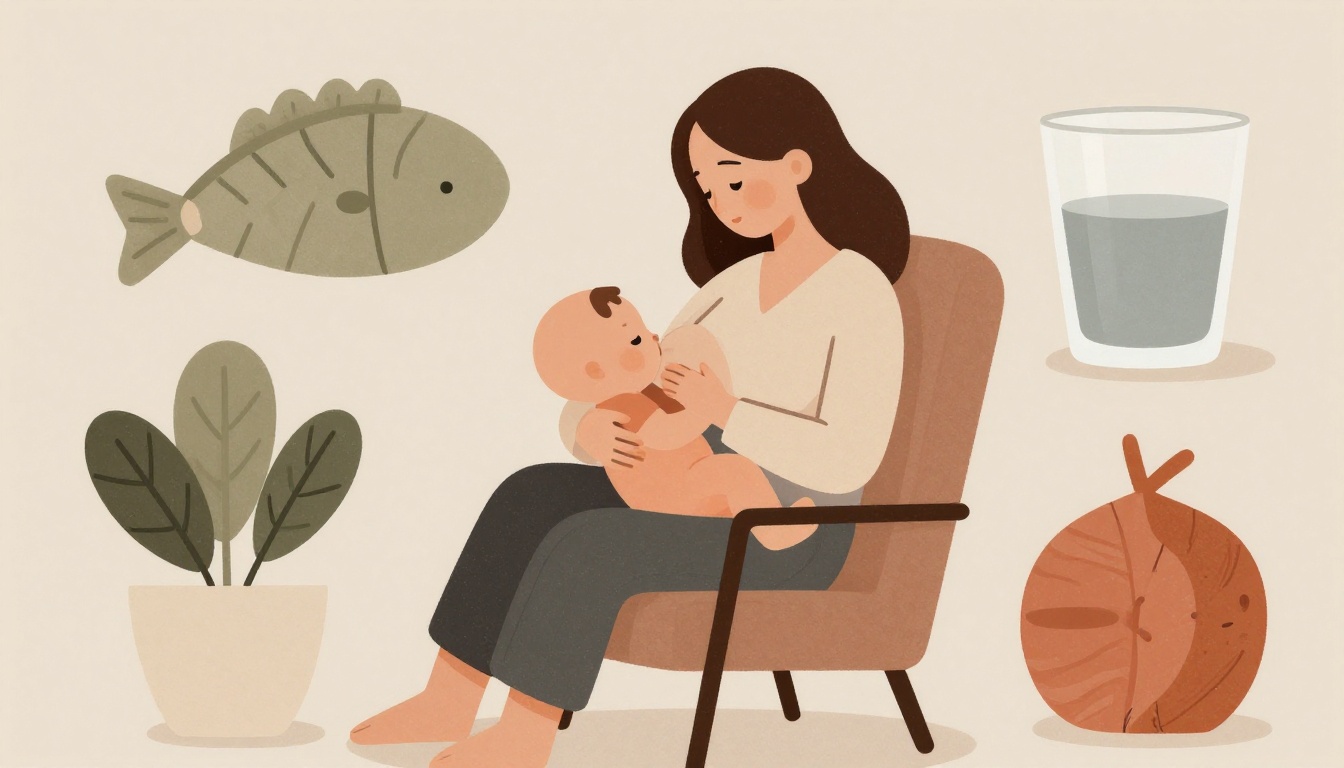
If you're breastfeeding and constantly hungry, you're not imagining it. Your body is burning extra energy to produce milk, and undereating can leave you exhausted, foggy, and struggling to recover. The good news: you don't need a complicated diet. You need a clear, safe way to add calories without sacrificing nutrition.
How many extra calories per day do most well-nourished breastfeeding mothers need?
Select one answer.
How many extra calories do you actually need?
Most well-nourished breastfeeding mothers need an additional 330 to 400 kilocalories (kcal) per day compared with their pre-pregnancy needs, according to the CDC. The Mayo Clinic puts it at about 340 to 400 extra calories a day. Northwestern Medicine notes most people need about 300 to 400 extra calories per day per child while breastfeeding (Northwestern Medicine).
That's roughly one balanced snack or a slightly larger meal — not a second dinner. If you're very active or exclusively pumping, your needs may be higher. If you've lost all your baby weight, you may need closer to 500–600 extra calories per day, according to Children's Hospital of Philadelphia.
Why "empty calories" backfire
It's tempting to grab whatever is fastest when you're nap-trapped or cluster feeding. But processed foods and sugary drinks are high in added sugars, sodium, and fat, and they're less satisfying — they can contribute to weight gain while providing little nutritional value, according to the InfantRisk Center.
Nutrient-dense foods give you vitamins, minerals, protein, and healthy fats that support both your energy and your baby's development. They also help you feel full longer, which matters when you're eating one-handed.
A practical checklist for adding calories safely
Use this as a quick reference when you're planning meals or snacks:
- Add one intentional snack per day. Think apple slices with nut butter, Greek yogurt with berries, or trail mix.
- Anchor meals with protein. Eggs, salmon, chicken, tofu, lentils, and beans are all good options.
- Choose whole grains. Oats, brown rice, quinoa, and whole-wheat bread provide steady energy.
- Include healthy fats. Avocado, olive oil, nuts, seeds, and fatty fish support milk quality.
- Eat fruits and vegetables at every meal. Aim for color and variety — berries, leafy greens, bell peppers, squash.
- Drink water consistently. Keep a glass beside you each time you sit down to nurse.
- Don't skip meals to "save calories." Restricting intake can tank your energy and milk supply.
What to eat: nutrient-dense foods that do double duty
You don't need special lactation foods. A balanced diet with enough calories and fluids is what supports milk production. That said, some foods pack more nutrition per bite:
- Salmon — rich in omega-3 DHA, which is secreted into breast milk and supports your baby's eye and brain development. Aim for 8–12 ounces of omega-3-rich fish per week, choosing low-mercury options like wild salmon and sardines.
- Eggs — complete protein plus choline and iron.
- Leafy greens — spinach, kale, and Swiss chard provide vitamins A, C, and K, plus calcium and iron.
- Beans and lentils — fiber, protein, and iron in one affordable package.
- Berries — antioxidants and fiber with low calorie density.
- Yellow and orange fruits and vegetables — sweet potatoes, carrots, and squash for vitamin A.
- Whole grains — oats, quinoa, and brown rice for sustained energy.
A simple day of eating (roughly 300–400 extra calories)
Here's how it can look in practice:
- Breakfast: Overnight oats with milk or yogurt, chia seeds, berries, and nuts.
- Snack: Apple slices with nut butter or a small Greek yogurt.
- Lunch: Whole-grain wrap with grilled chicken or tofu, avocado, leafy greens, and shredded veggies. Side of carrots and hummus.
- Snack: Trail mix or a handful of nuts and dried fruit.
- Dinner: Grilled salmon (or bean-based substitute), roasted sweet potato, and steamed broccoli, plus a leafy green salad.
That's it. No powders, cleanses, or expensive supplements required. In fact, products that promote cleanses, weight-loss shakes, or severe caloric restriction are not regulated by the FDA and are generally not recommended during breastfeeding.
When to get personalized support
If you're struggling with low energy, poor appetite, or you're unsure whether you're eating enough, a provider who understands postpartum nutrition can help. This is especially true if you're also dealing with anxiety, depression, or burnout — nutrition and mental health are deeply connected in the postpartum period.
How the Featured Expert Can Help
Rooted Postpartum Care offers holistic mental health and nutrition-focused care for new mothers across Maryland, Washington DC, and Wyoming. Led by psychiatric nurse practitioner Natalie Marchione, the practice provides virtual, individualized support for postpartum anxiety, depression, and burnout. If you're looking for care that treats the whole person — including your nutrition — you can learn more at Rooted Postpartum Care.
Quiz: How many extra calories do most breastfeeding mothers need per day?
A) 100–200 extra calories B) 330–400 extra calories C) 800–1,000 extra calories
Correct answer: B) 330–400 extra calories — This is the range recommended by the CDC for well-nourished breastfeeding mothers.