
According to NHS inform, how often should you aim to complete pelvic floor exercises?
Select one answer.
Start with the problem, not the Kegels
If you're leaking when you sneeze, feeling heaviness in your pelvis, or unsure whether it's safe to move again, you're not alone — and you don't have to accept it as normal. The pelvic floor is the hammock of muscles that supports your bladder, uterus, and bowel, and it takes a real load during pregnancy and birth. The good news: gentle pelvic floor and deep abdominal exercises can be started when you feel ready after birth, as long as they don't increase your pain, according to The Royal Women's Hospital.
The goal isn't to squeeze harder. It's to rebuild coordination, breath, and pressure management so the muscles can contract and fully relax.
Why the pelvic floor matters after birth
Your pelvic floor muscles sit at the base of your pelvis and help keep your bladder, uterus, vagina, and bowel in the right place. They also support bladder and bowel control, core stability, and sexual function, per NHS inform.
Pregnancy and childbirth can weaken these muscles, but problems can also come from muscles that are working too hard or are overactive — which is why "just do more Kegels" isn't always the answer. Strong muscles are flexible muscles.
A safe home routine, step by step
1. Begin with diaphragmatic breathing
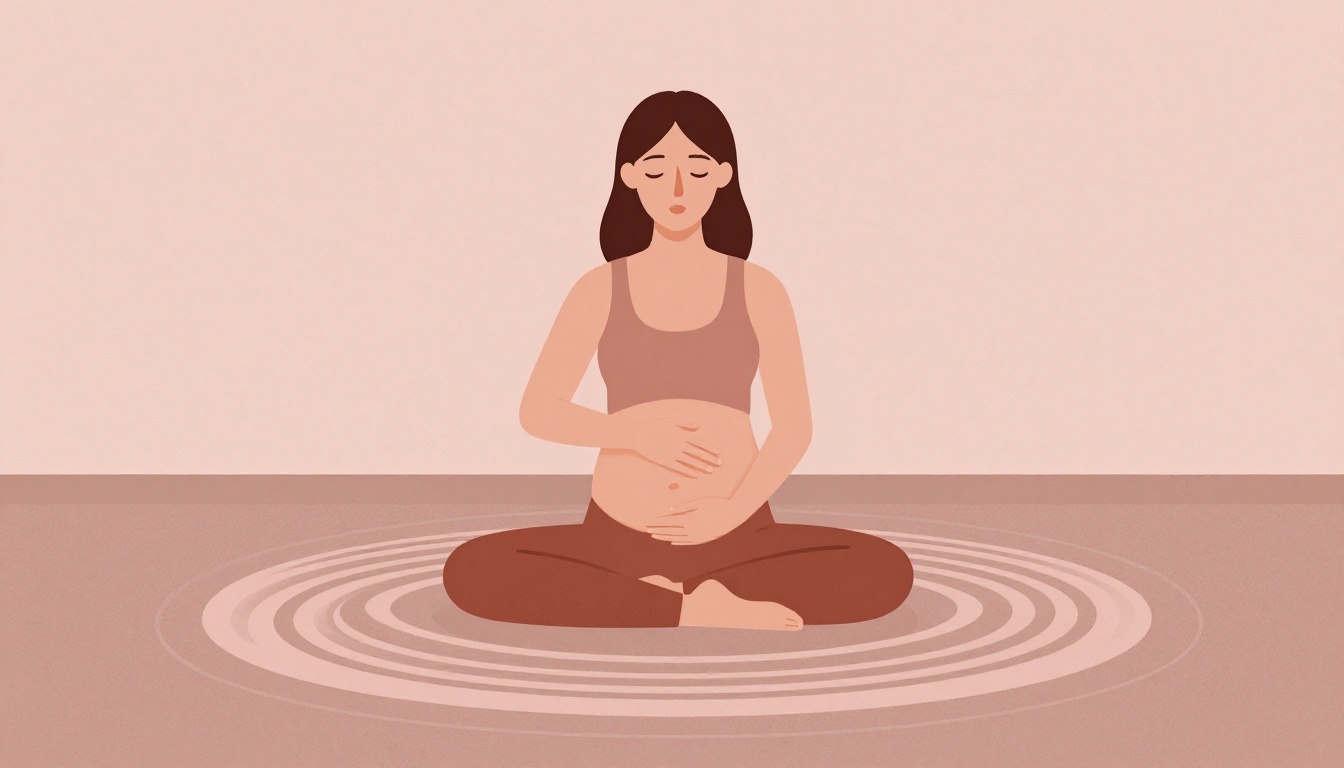
Lie on your back or prop yourself up on pillows. Put one hand on your upper belly and the other on your chest. Breathe in slowly through your nose — the hand on your belly should rise while the hand on your chest stays still. Breathe out slowly through your mouth. Practice 1–2 times a day for 3–5 minutes, per MyHealth Alberta.
2. Add pelvic tilts
Lie on your back with knees bent and feet flat. Tighten your belly by pulling your belly button toward your spine, and press your lower back to the floor. Hold about 6 seconds while breathing smoothly, then relax. Repeat 8–12 times.
3. Practice pelvic floor contractions (Kegels) correctly
Close the back passage as if stopping wind, then squeeze your vaginal muscles up and in — without pulling your stomach in or clenching your buttocks. Do a mix of long squeezes (hold up to 10 seconds, working up gradually) and short squeezes (hold 1 second). Aim for 10 of each, three times a day, with full relaxation in between. Relaxation is just as important as the squeeze.
4. Add deep abdominal work
Lie on your back with knees bent. Breathe out and gently tighten your lower abdominal muscles, pulling your lower belly toward your spine while keeping your upper abs relaxed. Hold 3–5 seconds, breathing normally. Repeat 6–10 times, up to four times a day.
5. Progress gradually
Once you can do the basics comfortably lying down, try them sitting, then standing. Add pelvic tilts with heel slides and cat-cow as tolerated. Don't rush to impact exercise.
Warning signs: when to stop and get help
Stop the exercise and seek support if you notice:
- Leaking urine when you sneeze, run, or lift
- A heavy or dragging sensation in the pelvis
- Pain in the pelvic floor, tailbone, or lower back during or after exercise
- Coning or doming of the abdomen during core work
- Difficulty controlling gas or bowel movements
These are red flags that your pelvic floor may need professional support, not more squeezing. If you have pelvic floor muscles that are too tight and can't relax, squeezing exercises can make things worse.
Quick daily checklist
- Diaphragmatic breathing: 3–5 minutes, 1–2 times daily
- Long squeezes: 10 reps, 3 times daily
- Short squeezes: 10 reps, 3 times daily
- Pelvic tilts: 8–12 reps
- Deep abdominal holds: 6–10 reps, up to 4 times daily
- Stop if pain increases
How the Featured Expert Can Help
Rooted Postpartum Care offers holistic mental health and nutrition-focused care for new mothers across Maryland, Washington DC, and Wyoming. Led by psychiatric nurse practitioner Natalie Marchione, the practice provides virtual, individualized support for postpartum anxiety, depression, and burnout. If pelvic floor recovery is tangled up with anxiety, exhaustion, or feeling overwhelmed, whole-person support can help. Learn more at Rooted Postpartum Care.