
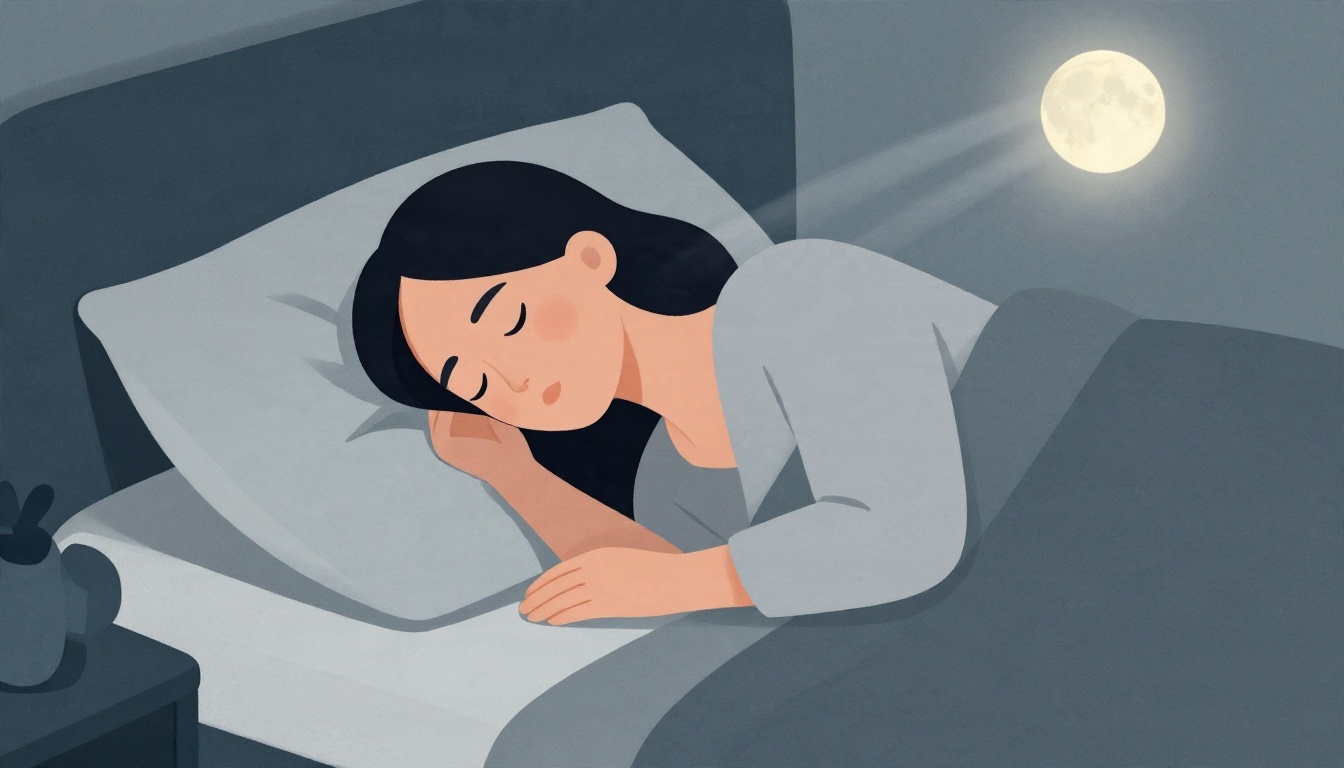
You finally get the baby down, drift off, and wake up drenched — pajamas soaked, sheets damp, heart racing. Postpartum night sweats can wreck the little sleep you're already getting, and that exhaustion makes everything else in recovery harder. The good news: they're common, usually temporary, and you can manage them with a few practical changes.
What percentage of people who have just given birth report postpartum night sweats, according to research cited by the Cleveland Clinic?
Select one answer.
Why you're sweating at night
Postpartum night sweats happen because your hormone levels drop sharply after you give birth. Estrogen and progesterone are high during pregnancy and fall steeply once the placenta is delivered. That fluctuation affects your hypothalamus — the part of your brain that controls body temperature — and triggers excess sweating, according to the Cleveland Clinic.
Your body is also shedding the extra fluid it built up during pregnancy, which contributes to the sweating. Research cited by Blue Cross Blue Shield of Michigan found that between 29% and 35% of women experience nighttime hot flashes in the weeks and months after childbirth. Breastfeeding can prolong them, because prolactin lowers estrogen levels.
Most people find night sweats resolve on their own within a few weeks, though they can last longer — especially if you're breastfeeding.
Set up your sleep environment to stay cool
The single most effective lever is lowering your body temperature. Sleep experts recommend keeping your bedroom between 60 and 67 degrees Fahrenheit. If that feels cold for the baby's room, focus on cooling you rather than the whole house.
- Wear loose, breathable pajamas made of cotton, linen, or silk. Skip synthetic fabrics that trap heat.
- Use cotton sheets, which are more breathable than many blends.
- Place a bath towel under your body before sleep so it absorbs sweat and saves you a middle-of-the-night bedding change, as the Cleveland Clinic suggests.
- Add airflow with a fan near the bed or an open window.
- Keep a change of pajamas and a towel within arm's reach so you can swap quickly without fully waking up.
Adjust your evening routine
Small timing changes can reduce how often you wake up soaked or needing the bathroom.
- Limit fluids in the two hours before bed to cut nighttime bathroom trips, per Hinge Health.
- Reduce caffeine and alcohol, both of which can worsen sweating and disrupt sleep.
- Stay hydrated during the day — sweating loses fluid, and breastfeeding increases your needs.
- Do gentle movement or calming breathing before bed to settle your nervous system.
Build a quick middle-of-the-night reset
When you do wake up drenched, have a plan so you can get back to sleep fast:
- Change your pajamas immediately — damp clothing keeps you cold and uncomfortable.
- If the sheets are soaked, lay a dry towel over the wet spot rather than stripping the whole bed.
- Sip a little water, use the bathroom if needed, and return to bed within a few minutes.
- Keep the room dim and avoid your phone to protect your ability to fall back asleep.
Know when to call your provider
Night sweats alone are rarely a sign of anything serious. But sweating paired with other symptoms can point to infection, a blood clot, or postpartum thyroiditis. Contact your provider promptly if you have:
- Fever
- Breathlessness
- One-sided leg pain or swelling
- A headache that won't lift
Also check in if the sweats persist well beyond six weeks or are severe enough to disrupt your sleep and mood consistently. Anxiety, diabetes, hypoglycemia, and thyroid conditions can all contribute to night sweats, so it's worth ruling them out.
A quick checklist to save
- Breathable pajamas and cotton sheets ready
- Towel under you at bedtime
- Fan or cracked window for airflow
- Spare pajamas within reach
- No large drinks within two hours of bed
- Caffeine and alcohol limited
- Know the warning signs that need a call
How the Featured Expert Can Help
If night sweats are tangled up with anxiety, low mood, or exhaustion that won't ease, Rooted Postpartum Care offers holistic mental health and nutrition-focused support for new mothers. Led by psychiatric nurse practitioner Natalie Marchione, the practice provides virtual, individualized care for postpartum anxiety, depression, and burnout across Maryland, Washington DC, and Wyoming. You can learn more at rootedpostpartumcare.com.