
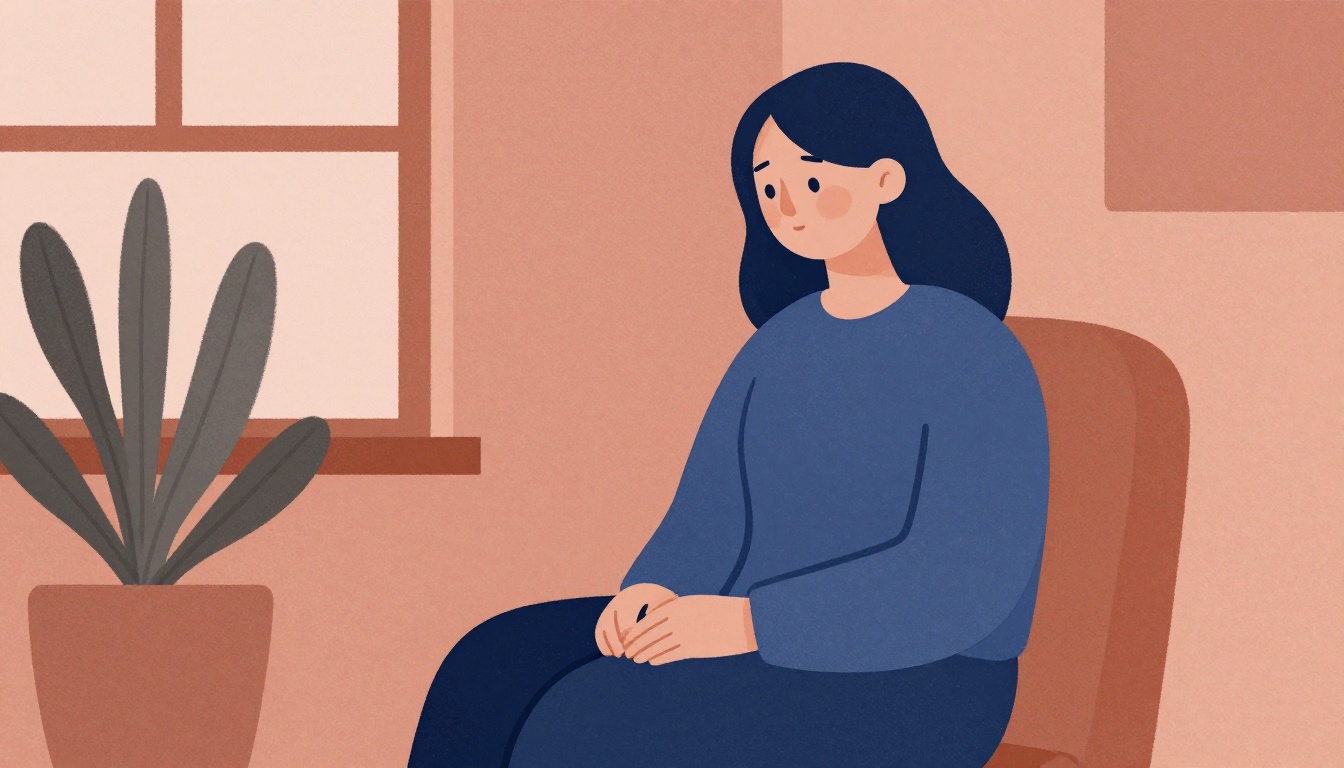
If you've ever screamed at your toddler over a spilled cup, felt a surge of fury when your partner asked "what's for dinner," or cried from shame after snapping at your kids, you're not broken. Mom rage—intense, often uncontrollable anger that feels disproportionate to the trigger—is a real and common experience. Some surveys suggest that 70-90% of mothers experience significant anger or rage. Yet the shame keeps us silent, making us feel like we're uniquely failing. This article offers practical, guilt-free strategies to understand, manage, and repair from mom rage.
What is a key factor that contributes to mom rage?
Select one answer.
Why Mom Rage Happens (It's Not a Character Flaw)
Mom rage isn't a sign that you're a bad mother. It's often a signal that your own needs are going unmet. Several factors contribute to this intense anger:
- Hormonal changes: After childbirth, significant hormonal shifts can impact mood and emotional regulation, sometimes leading to intense anger.
- Sleep deprivation: Sleepless nights impair judgment, lower frustration tolerance, and increase irritability.
- Unrealistic expectations: The pressure to be a "perfect mom" creates a gap between expectations and reality, fueling feelings of failure and inadequacy.
- Stress and overwhelm: Juggling multiple responsibilities releases cortisol, the stress hormone, which can trigger anger.
- Sensory overload: When your senses are overwhelmed—constant crying, touching, noise—your brain can't process more input, leading to rage.
- Past trauma or mental health conditions: Unresolved trauma or postpartum depression and anxiety can amplify emotional responses.
Anger is a secondary emotion—a signal that something deeper is going on. Think of mom rage as your "check engine light" telling you that something needs to change. It's a sign to investigate unmet needs for rest, support, appreciation, or connection.
Practical Strategies to Manage Mom Rage in the Moment
When you feel the heat rising, try these evidence-informed techniques to de-escalate:
- Pause and breathe: Slow, deep breathing activates your parasympathetic nervous system, helping you calm down. Try inhaling for 4 counts, holding for 4, and exhaling for 6.
- Ground yourself: Focus on your senses. Splash cold water on your face, hold a cold drink, or name five things you can see. Grounding techniques help bring you back to the present moment.
- Walk away (if safe): If your child is safe, step into another room for a few minutes. Taking a break is not abandonment; it's self-regulation. You can say, "Mommy needs a minute to calm down."
- Use visual imagery: Picture a relaxing scene or repeat a calming word or phrase in your mind. This can shift your focus away from the trigger.
- Identify your triggers: Keep a simple journal for a week. Note what happened before you felt rage. Patterns—like hunger, fatigue, or certain times of day—can help you anticipate and prevent episodes.
How to Repair with Your Child After You Lose Your Cool
Repair is a powerful tool that teaches your child that mistakes happen, feelings are manageable, and relationships can be healed. It's not about being perfect; it's about showing your child how to handle conflict and apologize.
Here's a step-by-step repair process:
- Calm yourself first: Give yourself a cool-down period. You can't repair from a state of high arousal.
- Apologize sincerely: Say, "I'm sorry I yelled. It wasn't okay." Take ownership of your emotions and actions without blaming your child.
- Affirm your love: Reassure your child that you love them unconditionally. This helps them feel safe.
- Explain what happened (simply): For example, "I was feeling very tired and overwhelmed, and I lost my temper. That's not your fault."
- Make a plan for next time: Say, "Next time I feel angry, I will take a deep breath and walk away." This models problem-solving and gives your child a sense of security.
Repairing after a rage episode is not just about mitigating immediate distress; it's a long-term investment in your child's emotional health and your relationship.
Releasing the Guilt: You're Not Alone
Guilt and shame thrive in silence. The more we talk about mom rage, the less power it has over us. Remember: anger is a natural, healthy emotion. It's what you do with it that matters. You are not a monster for feeling rage; you're a human mother under immense pressure.
Instead of shaming yourself, get curious. Ask: "What was my anger trying to tell me?" Often, it's pointing to an unmet need—for rest, support, or a break. Addressing those needs is the most effective way to prevent future rage.
If mom rage is frequent, intense, or accompanied by symptoms of depression or anxiety, seeking professional help is a sign of strength, not weakness. A therapist trained in perinatal mental health can help you develop coping strategies and address underlying issues.
Quiz: Test Your Understanding
What is a key factor that contributes to mom rage?
- Sleep deprivation
- Eating too many vegetables
- Being too relaxed
Correct answer: Sleep deprivation
How the Featured Expert Can Help
If you're in Maryland, Washington DC, or Wyoming and struggling with postpartum anxiety, depression, or burnout, Rooted Postpartum Care offers holistic, virtual mental health and nutrition-focused care. Led by psychiatric nurse practitioner Natalie Marchione, the practice provides individualized support that treats the whole person—your emotional well-being, nutrition, sleep, and stress levels. Visit Rooted Postpartum Care to learn more and book a consultation.