
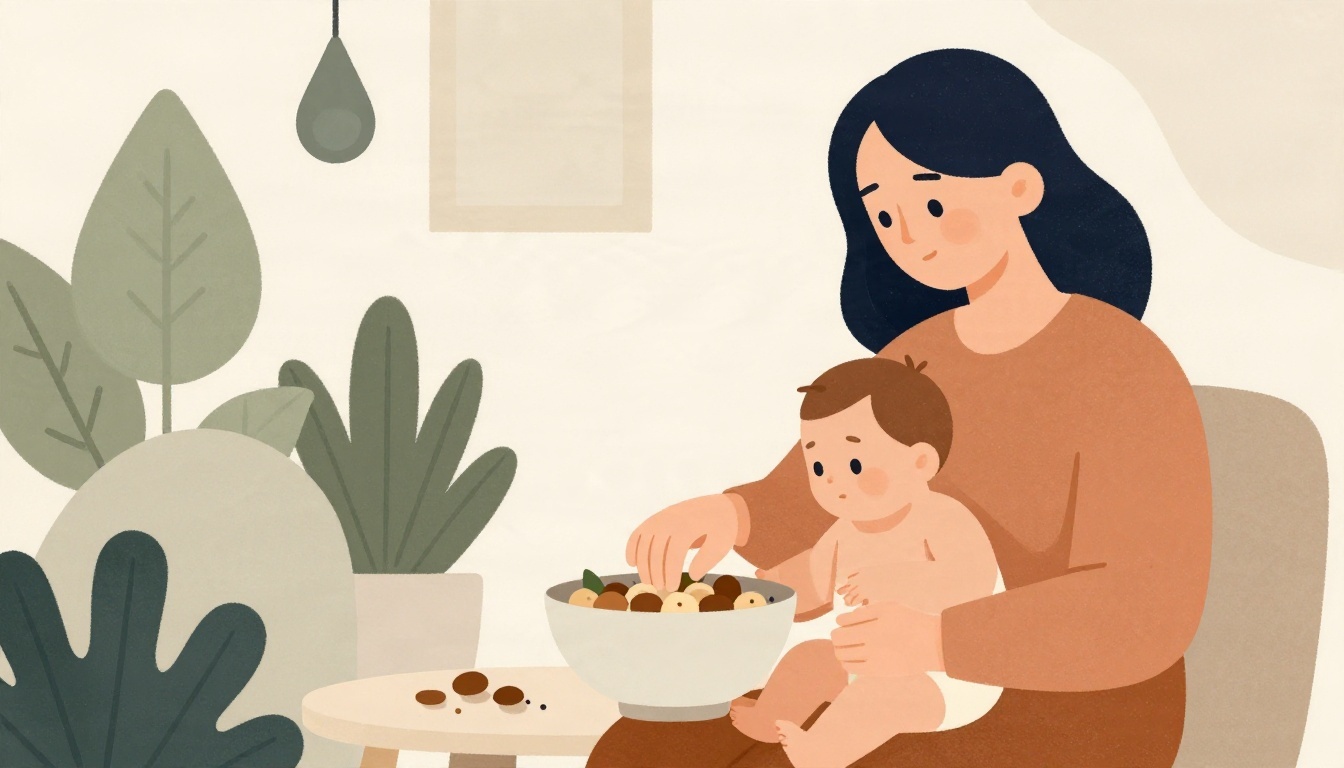
Feeling wiped out in the weeks after birth is common, but it is not something you have to accept as permanent. Your body is healing tissue, replenishing blood, balancing hormones, and — if you are breastfeeding — producing milk, all on broken sleep. Food is one of the few levers you can actually control. This guide explains what to eat, why it matters, and how to make it work when you have one free hand and no time.
According to the CDC, about how many extra calories a day should breastfeeding women consume?
Select one answer.
Why postpartum nutrition is different
Adequate nutrition after childbirth supports wound healing, hormone balance, energy levels, sleep quality, and stress resilience, according to a review of maternal diet after childbirth. The postpartum period is not a quick six-week window — it can extend for several months as your body returns to a non-pregnant state.
If you are breastfeeding, the demands rise further. The CDC notes that breastfeeding women should consume about an extra 500 calories a day, which for most people means three nutritious meals plus several snacks to stay satisfied, per postpartum snack guidance.
Build meals from five food groups
A balanced postpartum diet should include a variety of foods from the five main food groups: fruits, vegetables, lean proteins, low-fat dairy, and whole grains, with an emphasis on whole, unprocessed foods, according to an OB-GYN guide to postpartum nutrition.
A simple plate formula:
- Protein at every meal and snack — lean meats, poultry, fish, eggs, legumes, dairy. Protein is critical for tissue repair; a minimum of 70–90 grams daily is recommended in that same guide.
- Complex carbohydrates — oats, sweet potatoes, brown rice, and whole grains help regulate blood sugar and keep energy steady, rather than spiking and crashing.
- Healthy fats — avocado, nuts, seeds, and nut butter support energy levels and, if breastfeeding, your baby's brain development.
- Color — fruits and vegetables for fiber, vitamins, and hydration.
Prioritize blood-building nutrients early
Iron, vitamin B12, and folate are "blood-building" nutrients that matter most in the first few weeks of recovery, helping to build healthy blood cells and replenish blood lost during delivery, according to Abbott's postpartum nutrition guidance. Iron-rich foods also help counter the typical exhaustion of new motherhood.
Snack strategically, not randomly
The ideal breastfeeding snack is nutrient-dense, easy to grab, and rich in energy. Look for protein, healthy fats, complex carbs, and fiber together. Nutritionists suggest eating every 3–4 hours to keep blood sugar stable and prevent the dips that lead to fatigue, irritability, and cravings, per Partum Health's snack guidance.
Practical grab-and-go options:
- Greek yogurt with fruit
- Overnight oats
- Hummus with vegetables
- Nuts, seeds, or nut butter with whole-grain crackers
- A leafy green salad with quinoa and avocado
- Smoothies with leafy greens blended in
Don't overlook hydration
Maintaining adequate hydration supports recovery, can reduce swelling, and helps prevent constipation. If you are breastfeeding, it also replenishes fluid lost through nursing. Aim for roughly 8–10 glasses of water a day, and keep a filled cup at every nursing spot and your bedside. High-water-content fruits like watermelon and grapes can help too.
A weekly checklist you can actually use
- Stock one protein source you can eat cold or reheat in minutes
- Prep a batch of complex carbs (oats, rice, roasted sweet potato)
- Keep two iron-rich snacks within arm's reach of where you nurse
- Fill a water bottle each morning and refill it at every feed
- Eat something every 3–4 hours rather than waiting until you are starving
- Keep one-handed foods on the counter, not buried in the pantry
When food alone isn't enough
Persistent exhaustion, low mood, or anxiety that does not lift is worth discussing with a provider. Nutrition supports recovery, but it is one piece of a larger picture that includes sleep, stress, and mental health.
How the Featured Expert Can Help
Rooted Postpartum Care offers holistic mental health and nutrition-focused care for new mothers across Maryland, Washington DC, and Wyoming. The practice, led by psychiatric nurse practitioner Natalie Marchione, provides virtual, individualized support for postpartum anxiety, depression, and burnout. If you want help connecting nutrition, sleep, stress, and mood into one plan, you can learn more at Rooted Postpartum Care.
Think you know the basics? Test yourself on one key postpartum nutrition fact.
Quiz: According to the CDC, about how many extra calories a day should breastfeeding women consume?