
According to Postpartum Support International, what percentage of women experience perinatal mental health conditions?
Select one answer.
Why you need a postpartum support network
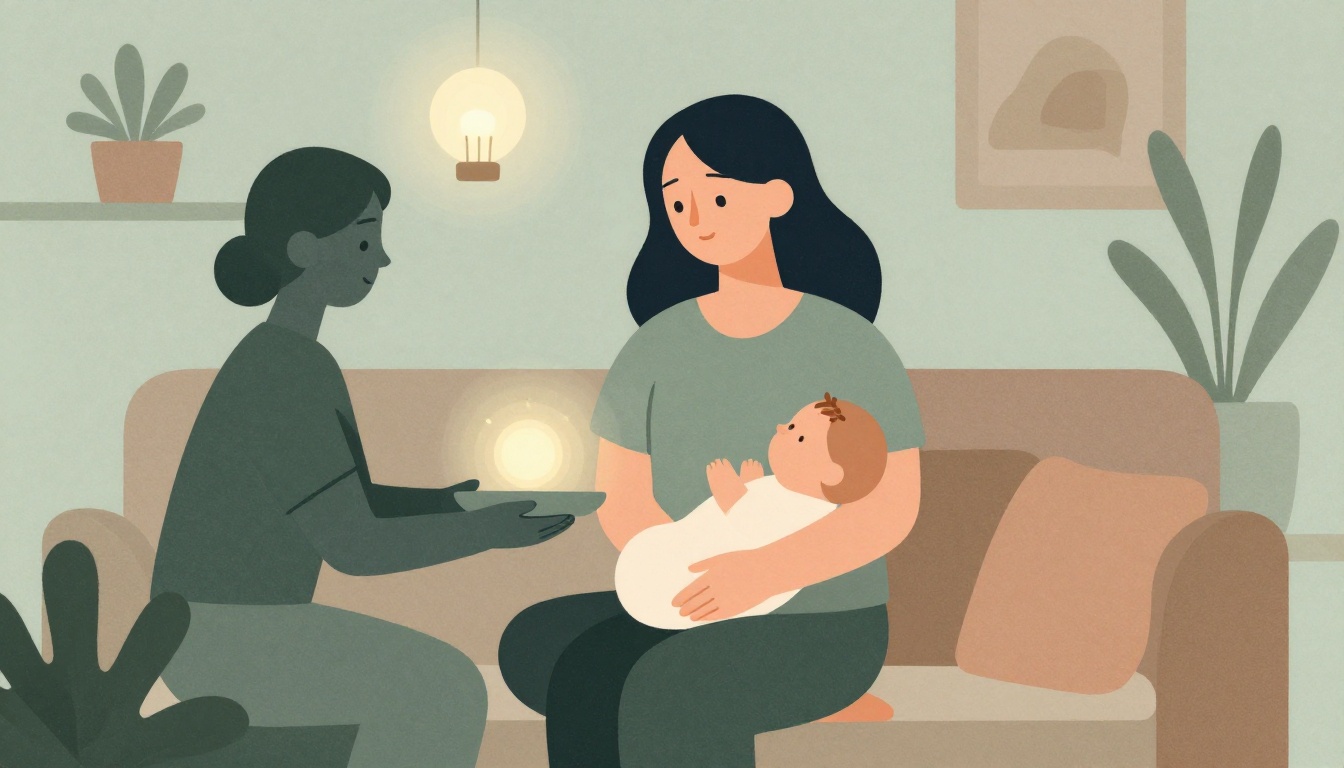
The first weeks after childbirth are physically demanding and emotionally intense. Many new mothers feel isolated, overwhelmed, and unsure how to ask for help. Yet research shows that women who feel supported by a community during the postpartum period report lower levels of depression and anxiety. Building a support network before your baby arrives can ease the transition and help you focus on recovery and bonding.
Start with a postpartum support plan
A postpartum support plan is like a birth plan — but for the weeks after delivery. It helps you organize practical help, emotional care, and clear communication with your support system. According to the 4th Trimester Project, a good plan includes sections for visitors, meals, errands, child and pet care, supplies, and how you want to be communicated with. Download a fill-in template from newmomhealth.com to get started.
Identify your core support team
Your network doesn't need to be large — one or two reliable people can make a huge difference. Think about:
- Partner or co-parent: Discuss how you'll share nighttime duties, household tasks, and emotional check-ins.
- Family members: Ask a parent, sibling, or in-law to help with meals, laundry, or watching older children.
- Close friends: A friend can run errands, bring groceries, or just listen without judgment.
- Neighbors or local parent groups: Even a neighbor who can pick up a prescription or walk your dog counts as support.
Use professional resources
Professional help is part of a strong network. Consider:
- Lactation consultants: For breastfeeding challenges.
- Doulas: Provide emotional and physical support during birth and postpartum recovery.
- Therapists: Specialized in perinatal mental health. Postpartum Support International reports that perinatal mental health conditions affect 1 in 5 women and 1 in 10 men. Group therapy can also provide peer support and coping strategies, as noted by Charlie Health.
- Support groups: Local or online groups connect you with other new parents who understand your experience.
Set boundaries and communicate needs
A support network only works if you communicate clearly. Before the baby arrives, talk to your helpers about:
- Visiting hours: Decide when you're open to visitors and for how long.
- Meal preferences: Set up a meal train or ask for specific foods.
- How to help: Give concrete tasks — "Please wash the pump parts" or "Can you take the baby for 30 minutes so I can shower?"
- Emotional check-ins: Ask your partner or a trusted friend to ask how you're really feeling, not just how the baby is.
Checklist for your first 6–12 weeks
Use this checklist to prepare before delivery:
- Write a postpartum support plan (include visitors, meals, errands, pet care)
- Identify 2–3 core helpers and discuss roles
- Pre-cook and freeze meals or set up a meal train
- Stock postpartum recovery supplies (pads, ice packs, witch hazel, stool softeners)
- Contact a lactation consultant or doula if needed
- Find a perinatal therapist or support group
- Set visitor boundaries and communicate them
- Plan for sleep shifts with your partner
- Download a postpartum plan template from newmomhealth.com
Quiz: Test your knowledge
According to Postpartum Support International, what percentage of women experience perinatal mental health conditions?
- 1 in 5 women
- 1 in 10 women
- 1 in 3 women
How the Featured Expert Can Help
If you're in Maryland, Washington DC, or Wyoming and feeling burned out, anxious, or overwhelmed, Rooted Postpartum Care offers holistic mental health and nutrition-focused care for new mothers. Led by psychiatric nurse practitioner Natalie Marchione, the practice provides virtual, individualized support for postpartum anxiety, depression, and burnout. Visit rootedpostpartumcare.com to learn more.