
Which of the following is a safe and sustainable rate of postpartum weight loss?
Select one answer.
Why meal prep matters for postpartum weight loss
After giving birth, your body needs time to heal, hormones to rebalance, and consistent nourishment to support recovery—especially if you are breastfeeding. Yet the reality of caring for a newborn often leaves little energy for cooking. Without a plan, many new mothers turn to quick, ultra-processed foods that don't provide the nutrients needed for healing or gradual weight loss.
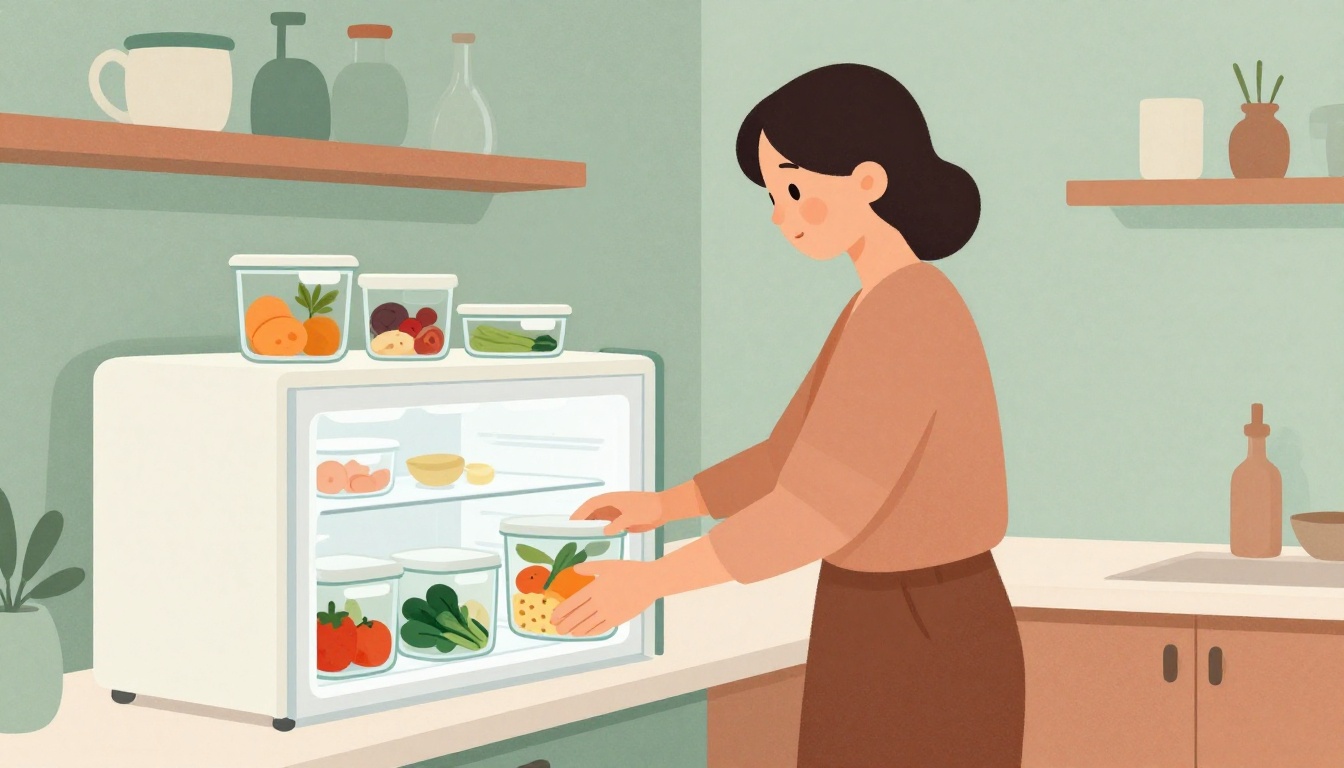
Meal prepping before your due date—or setting aside a few hours each week postpartum—can solve this problem. A well-stocked freezer with balanced, whole-food meals helps you avoid last-minute takeout, stabilizes blood sugar, and supports a safe rate of weight loss of about 0.5–1 kg per week, as noted by dietitians Third Sister.
The balanced plate method for postpartum meals
A simple, research-backed approach to building every meal is the balanced plate method. According to registered dietitian Abigail Taft, the emphasis should be on protein, fat, and vegetables (fiber) Abigail Taft Nutrition. This template keeps you full, stabilizes energy, and supports gentle weight loss without counting calories.
- Half your plate: non-starchy vegetables (broccoli, spinach, bell peppers)
- One-quarter: lean protein (chicken, fish, eggs, tofu, legumes)
- One-quarter: complex carbohydrates (quinoa, brown rice, sweet potatoes)
- Add healthy fats: avocado, nuts, seeds, olive oil
Freezer-friendly meal prep ideas
Start meal prepping four to six weeks before your due date, focusing on large-batch recipes that divide easily into multiple portions Mountain Wellness Kitchen. Here are practical, nutrient-dense options:
Breakfast
- Freezer breakfast burritos: Scramble eggs with spinach, bell peppers, and black beans. Wrap in whole wheat tortillas, wrap individually in foil, and freeze. Reheat in the microwave for a quick, protein-packed start.
- Oatmeal muffins with banana and nuts: Mash ripe bananas, mix with rolled oats, eggs, almond milk, cinnamon, and chopped nuts. Bake in a muffin tin, cool, and store in a freezer bag. These provide fiber and complex carbs for sustained energy Berry Street.
- Egg and veggie cups: Whisk eggs with diced vegetables, pour into a greased muffin tin, and bake. Freeze and reheat for a grab-and-go protein source.
Lunch and dinner
- Slow-cooker chicken soup with vegetables: Classic chicken soup is one of the most traditional postpartum recovery meals. It provides protein, collagen from the broth, and easy-to-digest vegetables. Portion into containers and freeze.
- Meat sauce or meatballs: Make a large batch of lean ground turkey or beef sauce with tomatoes, onions, and garlic. Serve over whole-grain pasta or zucchini noodles. Meatballs freeze well and can be reheated with marinara.
- Chili with beans and lean protein: A fiber- and protein-rich chili (using kidney beans, lentils, and ground turkey) freezes beautifully and can be made in large batches.
- Sheet-pan salmon with roasted vegetables: Season salmon fillets and toss broccoli, bell peppers, and sweet potatoes with olive oil. Roast everything on one pan. Portion and refrigerate for up to 3 days or freeze for longer storage.
Snacks and staples
- Pre-portioned rice: Cook a huge batch of brown or white rice, let it cool, and freeze in individual portions. This makes it easy to add a complex carb to any meal.
- Hard-boiled eggs: Keep a batch in the fridge for a quick protein snack.
- Greek yogurt cups with nuts and berries: Portion into small containers for a balanced snack with protein, healthy fats, and antioxidants.
Tips for safe and effective postpartum weight loss
- Wait until at least 3–4 months postpartum before actively focusing on weight loss, as hormones stabilize and milk supply is established Abigail Taft Nutrition.
- If breastfeeding, avoid rapid weight loss. Your body needs extra calories—around 2100–2500 per day—to maintain milk supply The Lactation Nutritionist.
- Prioritize protein: Needs increase to 1.6–3 g per kg of body weight per day, especially for C-section recovery Third Sister.
- Stay hydrated: Drink water throughout the day, especially if nursing. Dehydration can mimic hunger and slow metabolism.
- Avoid fad diets: Restrictive eating can harm your energy, mood, and milk supply. Focus on whole, nutrient-dense foods.
Sample one-day meal prep menu
| Meal | Ideas |
|---|---|
| Breakfast | Oatmeal muffin + Greek yogurt + berries |
| Lunch | Chicken soup with vegetables + side salad |
| Snack | Hard-boiled egg + apple slices |
| Dinner | Salmon with roasted broccoli and sweet potato |
How the Featured Expert Can Help
If you're struggling with postpartum weight loss, anxiety, or burnout, Natalie Marchione at Rooted Postpartum Care offers virtual, holistic mental health and nutrition-focused care for new mothers across Maryland, Washington DC, and Wyoming. As a psychiatric nurse practitioner, she provides individualized support that addresses the whole person—including nutrition, emotional well-being, and lifestyle—so you can recover with confidence.
Quiz: Test your knowledge
Which of the following is a safe and sustainable rate of postpartum weight loss?
- 0.5–1 kg per week
- 2–3 kg per week
- 4–5 kg per week