
According to research cited in the article, what is one benefit of practicing mindfulness for new parents?
Select one answer.
Why five minutes of mindfulness can help you feel less overwhelmed
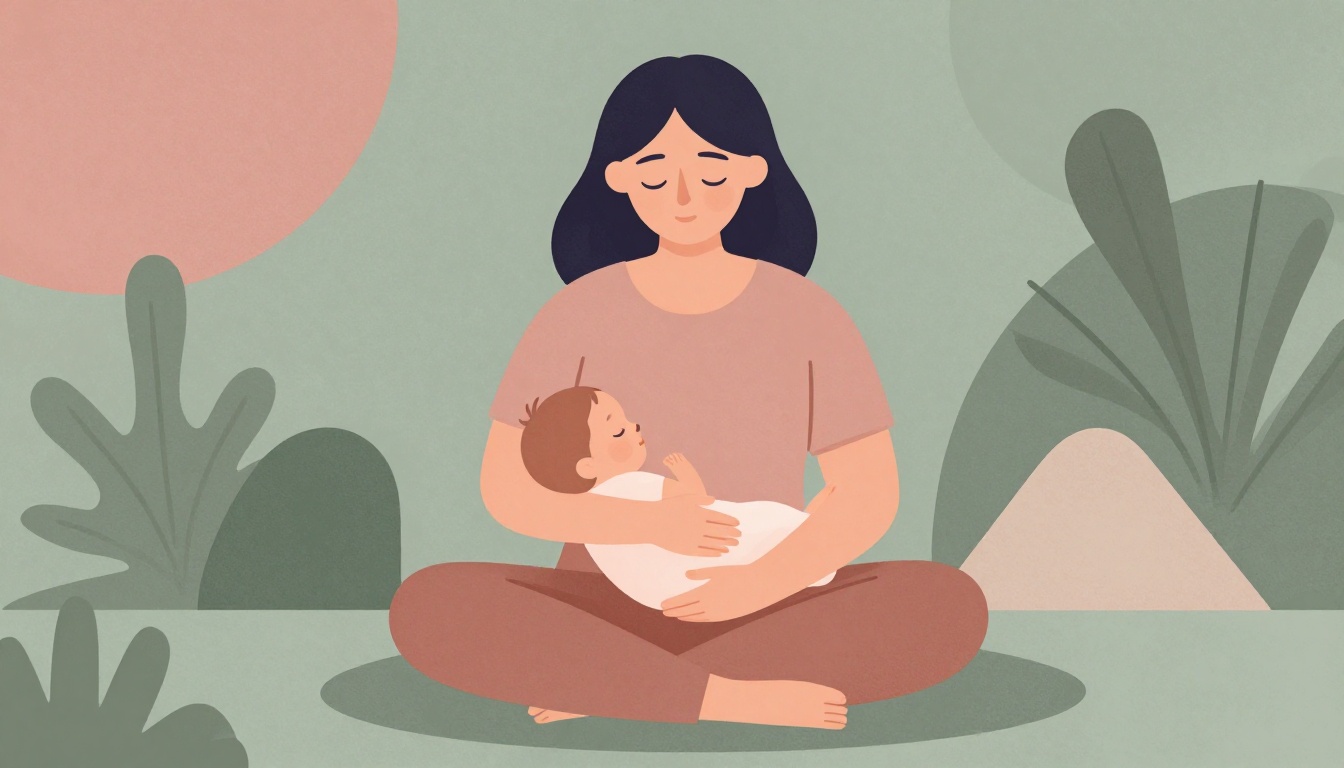
Between feedings, diaper changes, and the constant demands of a newborn, finding time for yourself can feel impossible. Yet research shows that even brief mindfulness practices can significantly reduce parenting stress and help you feel more present and less reactive. A study from Penn State found that parents who learned mindfulness techniques reported better stress management and greater enjoyment of time with their baby. The key is that you don't need an hour — just five minutes can make a real difference.
What is mindfulness, and why does it work for new moms?
Mindfulness is the practice of paying attention to the present moment on purpose, without judgment. According to Jon Kabat-Zinn, the founder of Mindfulness-Based Stress Reduction (MBSR), it's about noticing your thoughts, feelings, and surroundings with a nurturing lens. For new mothers, this can help break the cycle of worry and rumination that often accompanies postpartum anxiety. Studies show that mindfulness can decrease symptoms of depression and anxiety, reduce emotional reactivity, and improve self-insight. And you can practice it while holding your baby, sitting on the couch, or even during a feeding.
Five 5-minute mindfulness exercises for busy new moms
1. Mindful breathing (3-4-5 breath)
Sit comfortably and take three slow, deep breaths. Inhale through your nose for a count of three, hold for a count of four, and exhale slowly for a count of five. Repeat this cycle for five minutes. This simple technique activates your parasympathetic nervous system, helping you shift from fight-or-flight to rest-and-digest. You can do this while your baby naps or even while they're nursing.
2. Five senses check-in
Take a moment to notice:
- Five things you can see
- Four things you can physically feel (the weight of your baby, the fabric of your shirt)
- Three things you can hear
- Two things you can smell
- One thing you can taste
This exercise pulls you out of your head and into your body, which is especially helpful when you feel yourself spiraling into worry. You can say the items aloud to your baby or quietly to yourself.
3. Mindful hand awareness
Clench your fists tightly for five seconds, then release and notice the sensation in your hands. Repeat this several times, focusing fully on the feeling of tension leaving your body. This is a grounding technique that can be done anywhere — while waiting for a bottle to warm or during a moment of frustration.
4. Loving-kindness meditation
Sit quietly and repeat these phrases silently to yourself:
- May I be happy.
- May I be healthy.
- May I feel peace.
- May I live with ease.
You can also direct these phrases toward your baby or a loved one. This practice cultivates self-compassion, which is often in short supply during the postpartum period. Research shows that loving-kindness meditation can reduce self-criticism and increase feelings of connection.
5. Mindful music appreciation
Put on one of your favorite songs and give it your full attention. Notice the rhythm, the melody, and how your body responds. Let the music be your only focus for the duration of the song. This is a quick way to reset your mood and create a small pocket of calm in your day.
How to make mindfulness a daily habit
Start with just one exercise per day. You don't need a special space or equipment. Try pairing your practice with an existing routine — for example, do the mindful breathing exercise right after you put the baby down for a nap, or practice the five senses check-in during a feeding session. Over time, these small moments of presence can help you feel more grounded and less overwhelmed.
How the Featured Expert Can Help
If you're struggling with postpartum anxiety, depression, or burnout, you don't have to navigate it alone. Rooted Postpartum Care, led by psychiatric nurse practitioner Natalie Marchione, offers virtual holistic mental health and nutrition-focused care for new mothers in Maryland, Washington DC, and Wyoming. Their individualized approach treats the whole person — addressing emotional well-being, nutrition, sleep, and stress — so you can feel like yourself again.