
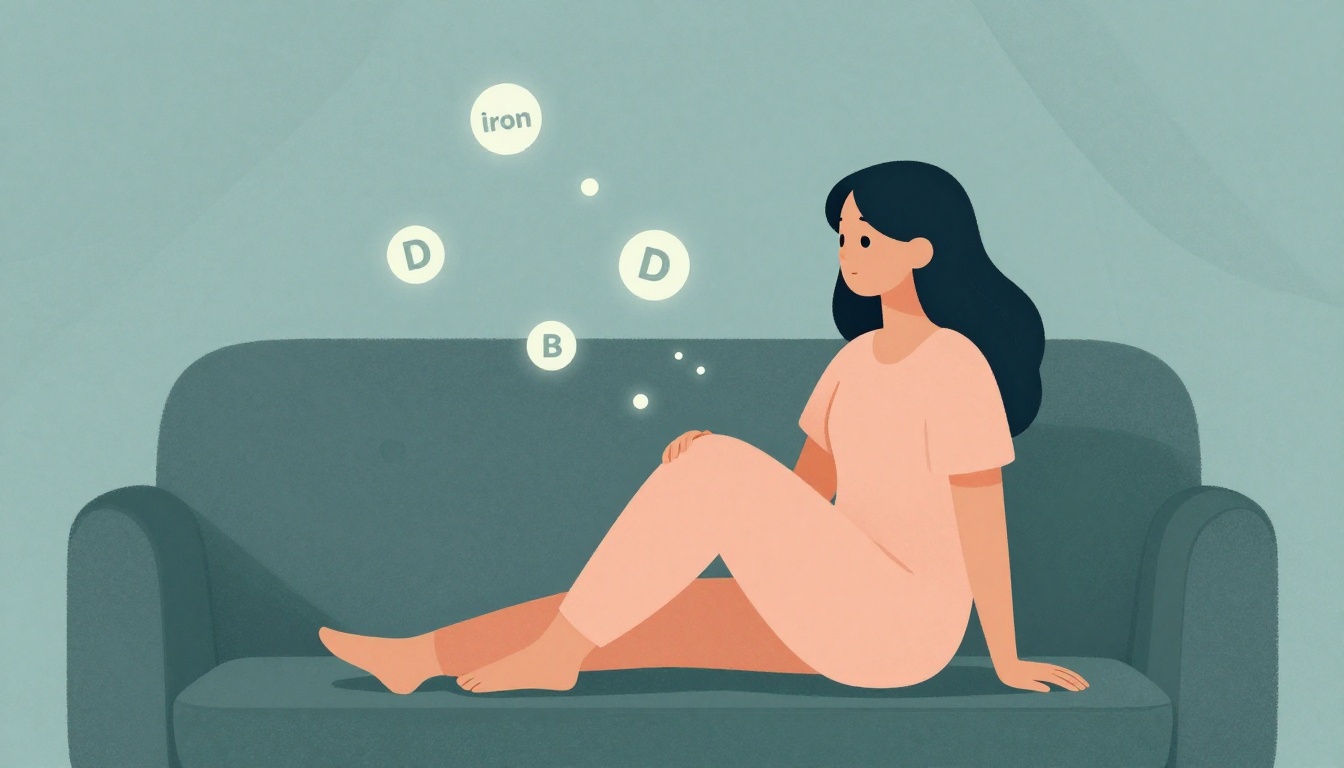
You're sleeping when the baby sleeps, drinking all the water, and still dragging through each day. That bone-deep exhaustion isn't just sleep deprivation. It's likely a nutrient deficiency.
Pregnancy and breastfeeding drain your body's stores of key vitamins and minerals. Your baby gets what they need first, leaving you depleted. Research shows women are often deficient in critical nutrients for up to two years postpartum. The result? Fatigue that no amount of naps can fix.
Here are the three most common nutrient deficiencies that worsen postpartum fatigue and exactly what to do about them.
What percentage of women develop postpartum thyroiditis, a condition that can worsen fatigue and is frequently undiagnosed?
Select one answer.
Iron: the energy mineral
Iron is essential for carrying oxygen to your cells. When you're low, your body has to work harder to produce energy. That's why iron deficiency anemia causes extreme tiredness, weakness, and brain fog.
Blood loss during delivery depletes iron stores immediately. Breastfeeding continues to drain them. One study found that postpartum women are at increased risk of iron deficiency due to physiological demands and blood loss during delivery.
What to eat: Red meat, seafood, dark leafy greens, lentils, and fortified cereals. Pair iron-rich foods with vitamin C (like citrus or bell peppers) to boost absorption. Avoid drinking tea or coffee with meals, as tannins block iron uptake.
When to supplement: Ask your provider for a ferritin test. If your levels are low, a supplement may be necessary. Don't guess — too much iron can be harmful.
Vitamin D: the mood and energy regulator
Vitamin D deficiency is extremely common in new mothers. It supports immune function, bone health, and energy metabolism. Low levels are linked to both fatigue and postpartum depression.
Your body makes vitamin D from sunlight, but if you're indoors with a newborn — and most new moms are — you're likely not getting enough. Darker skin tones and northern latitudes increase the risk.
What to eat: Fatty fish (salmon, sardines), egg yolks, fortified dairy or plant milks, and UV-exposed mushrooms.
When to supplement: A simple blood test can check your levels. Many providers recommend 600–2000 IU daily, but your needs depend on your baseline.
B vitamins: the energy converters
The B vitamin complex — especially B6, B12, and folate — helps convert food into usable energy. Deficiencies in these vitamins are directly linked to increased fatigue.
Folate (vitamin B9) is critical during pregnancy for neural tube development. After birth, your body needs it to make red blood cells and repair tissues. B12 supports nerve function and red blood cell formation. Low B12 can cause weakness, memory problems, and exhaustion.
What to eat: Meat, poultry, fish, eggs, dairy, legumes, leafy greens, and fortified grains. If you're vegan or vegetarian, you're at higher risk for B12 deficiency.
When to supplement: A prenatal vitamin often covers B vitamins, but check the label. Some women need additional B12, especially if they follow a plant-based diet.
How to know which deficiencies you have
You can't guess your way out of nutrient depletion. The only reliable method is lab testing.
Ask your healthcare provider for a complete blood count (CBC), ferritin, vitamin D (25-hydroxy), and B12 levels. Many functional medicine practitioners also check magnesium, zinc, and thyroid markers.
Once you have results, you can target the exact deficiencies. That's far more effective than randomly taking supplements.
Quick checklist to combat postpartum fatigue
- Request a nutrient panel from your provider
- Eat iron-rich foods with vitamin C
- Get 15 minutes of sunlight daily (or supplement vitamin D)
- Include B vitamin sources at every meal
- Stay hydrated — dehydration mimics fatigue
- Prioritize protein at breakfast to stabilize blood sugar
- Consider a high-quality postnatal multivitamin
How the Resident Expert Can Help
You don't have to figure this out alone. Natalie Marchione, a psychiatric nurse practitioner at Rooted Postpartum Care, specializes in holistic postpartum mental health and nutrition. She offers virtual, individualized care for new mothers in Maryland, Washington DC, and Wyoming. Her approach combines lab testing, nutritional guidance, and mental health support to treat the whole person — not just the symptoms. If you're tired of being told exhaustion is normal, reach out for care that actually addresses the root cause.